A few weeks ago I was listening to a man who wants to make some changes in and deepen his life. He described some patterns, beliefs, and behaviors in his life that in many ways have served him well but not so much anymore. Now they just seem to get in the way of the life he wants and not much is changing. When he finished describing his life he said, “But that’s just how I am.”
I nodded but didn’t say anything. After a bit of silence he said, “I always hate it when someone says that to me about themselves. I bet you don’t like hearing me say that about myself.”
I smiled, shook my head, and said, “No, I don’t.” Afterward I thought to myself, What I really don’t like is when I say that about myself. I understood what he was talking about. I’ve had times in my life when I’ve been stuck and closed to something new or different. It felt like change was either impossible or just not worth the effort and I resigned myself to “That’s just how I am.” Maybe you know what that’s like too.
When have you said that about yourself and what was it about?
My guess is that all of us at times get stuck in what we’ve always known, believed, or been taught. We get stuck in how we’ve always done it. We get stuck in what our families did, said, or expected of us. We get stuck in our past; the wounds, guilt, or shame. We get stuck in our religious beliefs and our political opinions. We get stuck in a thousand different ways. In short, we become closed.
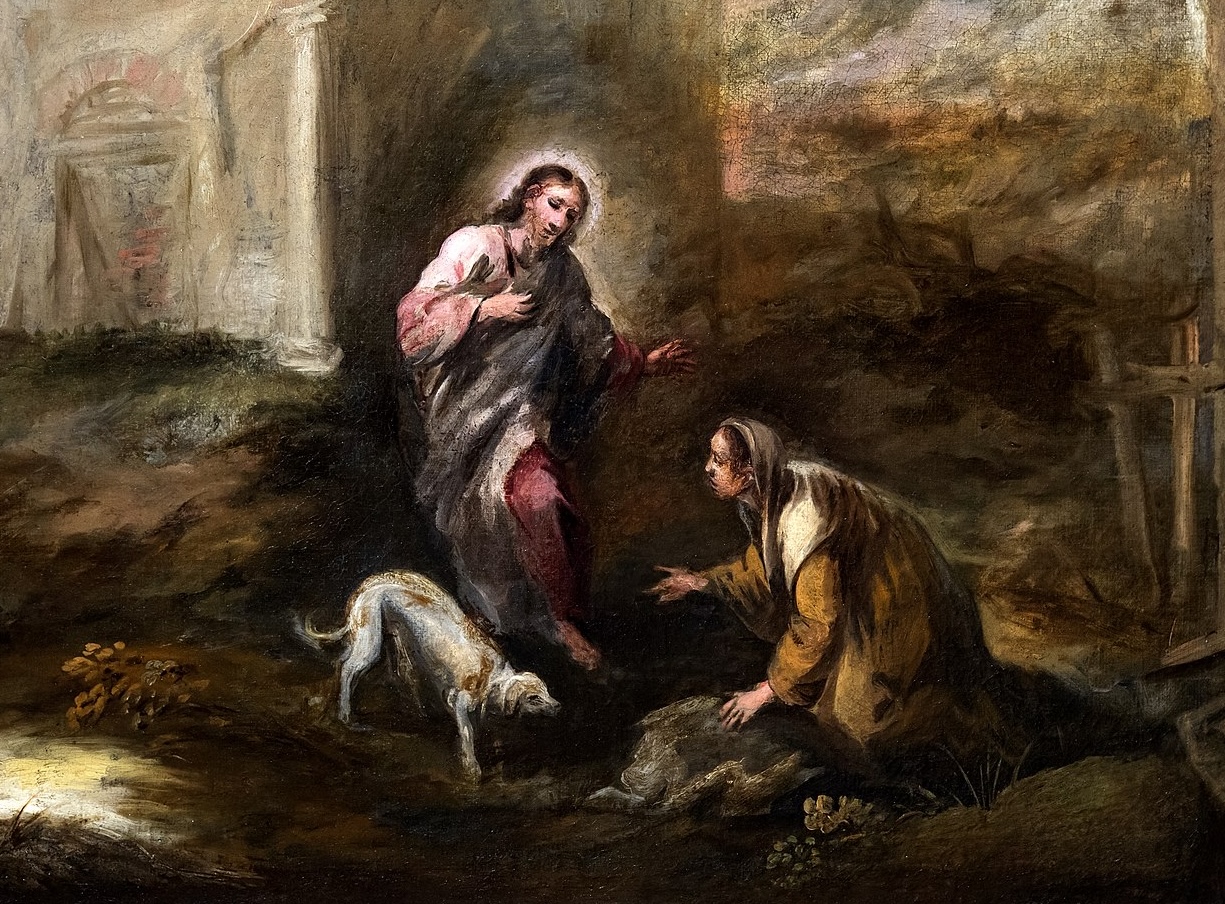
But here’s the thing, life is always asking us to open. That request to be open often comes to us out of the blue, from unexpected people, through unforeseen circumstances, and in ways we never imagined. And I wonder if that’s what’s happening to Jesus in the first half of today’s gospel (Mark 7:24-37).
He’s in foreign territory among people who are not his. He doesn’t want anyone to know he’s there but he, a Jew, is met by a Gentile woman who begs him to heal her daughter. And he refuses. He refuses because of who the woman and her daughter are, where they are from, and what they believe.
“It is not fair,” he says, “to take the children’s bread and throw it to the dogs.” Do you hear what he’s saying to her? He’s telling her that she and her daughter are not children of his family, they are dogs. He is closed to her. Maybe that’s just how he is.
But the woman persists. “Sir even the dogs under the table eat the children’s crumbs.” She could just as well have said, “Lord, be opened.” She’s calling him to a larger and more inclusive world view, to move beyond the boundaries of his beliefs, to let go of how it’s always been done, and to claim his truer and greater self.
This isn’t a confrontation between the woman and Jesus. This is a confrontation between Jesus and himself. Will he soften and open his heart in response to life’s asking or will he harden and close it? That’s the question for each of us today.
Which is it for you? In what ways are you softening and opening today? And in what ways are you hardening and closing?
When we’re closed there’s usually something else going on. It might be fear, anger, hurt, bias, projection, assumption, rigidity, narrowness, misinformation, or any number of things at work in us. I wonder if that’s true for Jesus in today’s gospel.
That’s probably not what most of us have been told or believe about Jesus. We tend to expect more of him than we do ourselves. But what if he’s more like us than we often know or maybe even want him to be? What if Jesus is struggling with and working out his life in the same way we do? What if life’s request to be open is as difficult for him as it is for you and me?
That’s not a criticism of Jesus. It’s hope for you and me. It’s hope for our children and grandchildren. It’s hope for our future.
Every time we say, “That’s just how I am,” we dismiss ourselves. We deny ourselves (and everyone else for that matter) a second, third, or fourth chance. We dismiss others. We dismiss the life we most long for. That’s not, however, what Jesus did. It didn’t happen immediately but ultimately he refused to dismiss himself and he refused to dismiss the woman and her daughter.
Jesus changed his mind. He opened what had been closed in him. He opened himself to the woman and her daughter. “You may go,” he tells her, “the demon has left your daughter. So she went home, found the child lying on the bed; and the demon gone.”
Openness casts out demons in us and in others; demons like fear, bias, rigidity, narrowness, exclusivity, and indifference. Openness heals and makes room for more life. Jesus is showing us the way. And the way of openness leads to more openness.
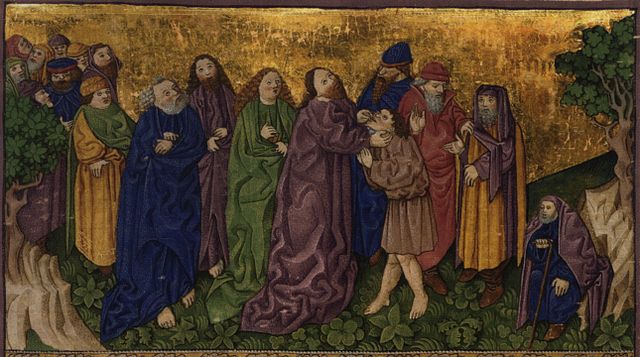
I think that’s what we see in the second half of today’s gospel when Jesus puts his fingers in the ears of a deaf man and says, “Ephphatha,” “Be opened.” His own experience of being opened allows him to call another into openness. And who among us today doesn’t need to be called into more openness?
Being opened, however, isn’t easy. It asks us to be vulnerable and take a chance on life and life abundant. It asks us to confront ourselves and whatever it is that has closed us. I wonder what that is for you today.
In what ways is your life closed today? And what’s behind that? To whom or what are you deaf? And what would it look like and take to let yourself be opened?
Opening our lives is never a one and done kind of thing. It’s an ongoing process. It’s our daily practice. Being opened asks us to continually uncover, recover, or maybe even discover for the first time the greater and truer self, the original beauty and goodness, the dignity and holiness that have always been within every one of us.
I think that’s what the Syrophoenician woman did for Jesus and it’s what Jesus does for all of us who are deaf and closed. Every day we are being asked to open to ourselves, to one another, to God.
What would it be like and take to open yourself to the truth of your greater and truer self, your original beauty and goodness, your dignity and holiness? How might you help another open to that truth in her or his life? What would it mean and what difference would it make to live that truth today?
When we open we claim or reclaim our greater and truer self, our original beauty and goodness, our dignity and holiness. That’s when we can truly say, “That’s just how I am. That’s really really just how I am.”
Ephphatha. Be opened.
Don’t let those words go in one ear and out the other.
Ephphatha. Be opened.
____________________
Image Credit:
1. By Didier Descouens – Own work, Public Domain, Wikimedia Commons. Original image cropped.
2. By Unknown, (Markusmaler und Gehilfe) – Ottheinrich-Bibel, Bayerische Staatsbibliothek, Cgm 8010, Public Domain, Wikimedia Commons.

 Interrupting the Silence
Leave a comment